
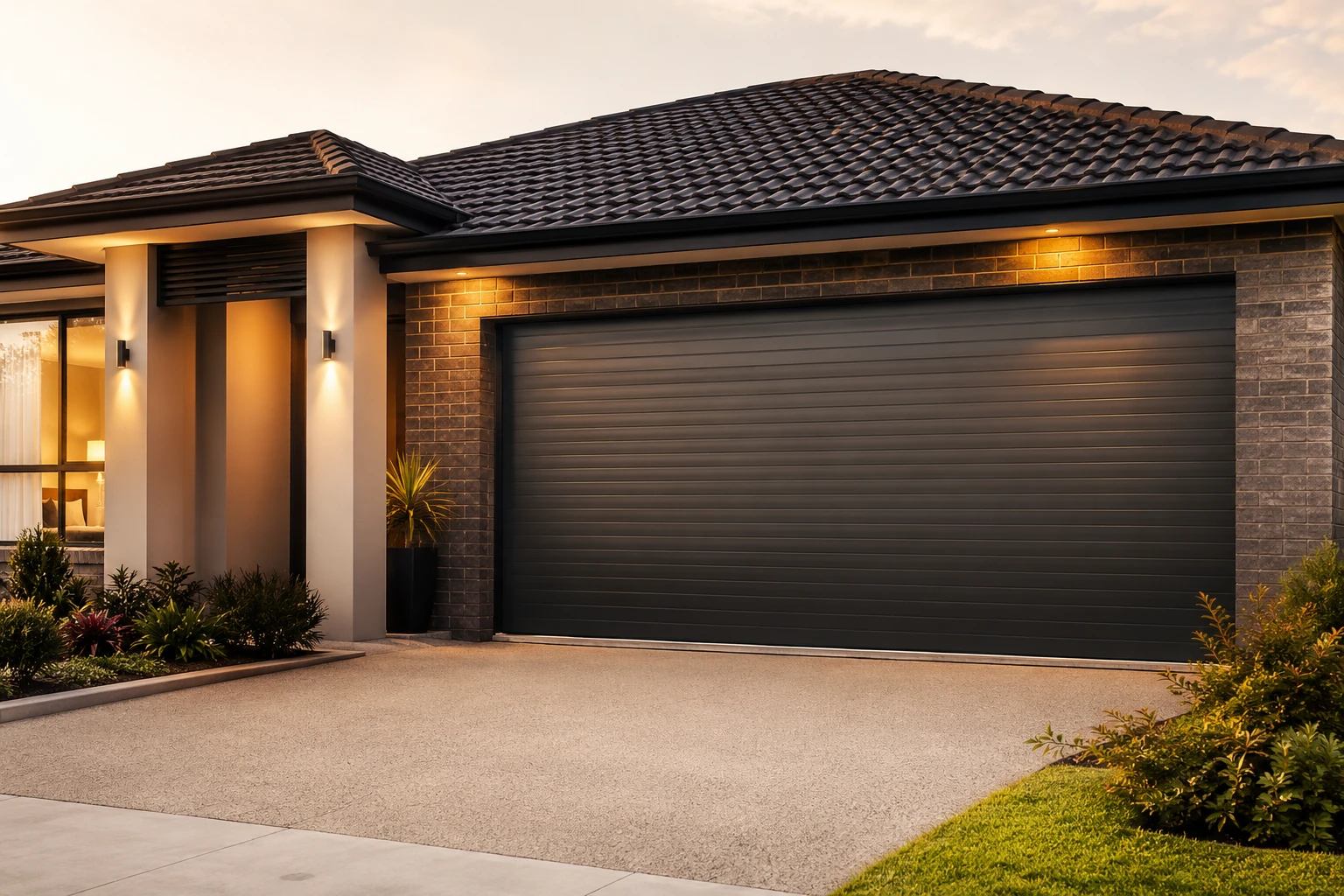
Insulated roller doors improve energy efficiency by reducing the amount of outside heat entering your garage in summer and slowing heat loss during winter. In homes with attached garages, this can help maintain more consistent indoor temperatures and reduce the workload on heating and cooling systems.
The problem is that many homeowners focus on insulating the main living areas while overlooking the garage. As a result, outside temperatures can still affect nearby rooms and force heating and cooling systems to work harder than necessary.
This article covers how insulated garage doors actually work, what makes a good one, and whether the upgrade is worth it for your home.
Let’s dive in.
How Insulated Roller Doors Are Built to Block Heat
Most manufacturers build insulated garage doors using a layer of high-density polyurethane foam injected between two steel panels. This foam creates a thermal barrier that slows heat transfer between the outside and inside of your garage. So the denser the foam, the better the thermal resistance.
A good insulated roller door also uses a bottom rail seal that presses against the floor when closed and blocks gaps where outside air enters. From there, the curtain profile and side track seals handle the edges, so the system works as one sealed unit rather than a panel with gaps.
Together, the insulated core and perimeter seals reduce heat transfer and air leakage, which helps maintain a more stable garage temperature.
Why Your Garage Door Is Leaking Energy (and Costing You Money)

In many cases, energy loss comes down to two issues: heat transfer through the door itself and air leakage around weak points in the system. Below, we break down how both affect your home’s energy efficiency.
The Role of Conduction in Heat Transfer
Think of conduction like a hot pan handle. Heat travels through solid material whether you want it to or not. An uninsulated steel garage door works the same way because metal conducts heat very efficiently.
During summer, external heat moves through the door and raises the temperature inside the garage. In winter, indoor warmth escapes through the same path.
The Weak Points of a Standard Garage Door
A standard garage door is typically made from thin metal with limited insulation and poor resistance to outside temperatures. It often lacks a bottom rail seal, has minimal coverage around the side tracks, and provides no thermal barrier in the panel itself. As a result, even a well-insulated home can still lose energy through the garage.
Over time, this extra energy loss can lead to higher heating and cooling costs, especially in homes where the garage is attached to living spaces.
Core Features of an Energy-Efficient Roller Door

A few specific features separate a roller door that actually reduces heat transfer from one that just looks the part. Here’s what to look for:
- R-Value Rating: This is the measure of a door’s thermal resistance. The higher the R-value, the better the door resists heat transfer. Most energy-efficient garage doors have the R-value listed in the product specs, so it’s worth checking before you buy.
- Insulated Slats: Well-designed slats create a more even seal across the door, which helps prevent air leakage and maintain insulation performance over time.
- Perimeter Seals: Weather seals along the side tracks and bottom rail reduce drafts around the door edges, which helps the garage maintain a more consistent temperature.
- Noise Reduction: The same insulation that blocks heat also dampens sound. So if your garage is near a busy road or attached to a bedroom, an insulated door will reduce noise coming in from outside.
These details may seem minor on their own, but together they create a noticeable difference in insulation performance and everyday comfort.
Insulated vs. Standard Garage Doors: A Side-by-Side Breakdown
Insulated garage doors provide better temperature control, noise reduction, and energy efficiency than standard models. The table breaks down how the two compare:
| Feature | Insulated Garage Door | Standard Garage Door |
| Thermal Resistance | High | Low |
| Energy Bills | Lower over time | Higher over time |
| Noise Reduction | Good | Minimal |
| Temperature Control | Stable | Fluctuates |
| Durability | Higher | Lower |
| Upfront Cost | Higher | Lower |
As you can see, the main difference between the two options is thermal performance.
Standard garage doors provide little protection against outside temperatures, which allows heat to pass through the garage more easily. In homes with attached garages, this can affect nearby rooms and place additional strain on heating and cooling systems over time.
By contrast, insulated garage doors do cost more upfront. However, many homeowners find the improved comfort, lower energy use, and added durability worth the investment, especially in climates with hot summers or cold winters.
Are Insulated Roller Doors Worth It for Your Home?

They’re worth it for most homes with an attached garage. After all, they keep the space more comfortable year-round and take some of the pressure off your heating and cooling system.
We’ve had customers tell us their energy bills dropped noticeably after switching from a standard door, particularly during hotter periods. It’s not a dramatic overnight change, but it cuts costs over time, especially given that Australians are estimated to spend an average of $305 on cooling each summer.
Lower energy consumption also reduces your home’s overall carbon footprint, which is becoming increasingly important for many homeowners. Overall, an insulated roller door offers a practical balance of comfort, efficiency, and long-term value for most Australian homes.
Start Saving on Energy Bills With the Right Roller Door
Improving your home’s energy efficiency doesn’t have to mean a full renovation. Sometimes, it starts with one practical upgrade. And for homes with an attached garage, the roller door is often the best place to start.
Before you install, it’s worth checking the R-value rating, the quality of the perimeter seals, and whether the door suits your local climate. These three things will determine how well the door actually performs over time, not just on paper.
At The Not Vanilla, we manufacture and install insulated garage doors built for Australian conditions. If you’re ready to create a more energy-efficient and comfortable space at home, get in touch with our team for a quote.